
Several years ago, I was invited into a project after it was already well underway.
A talented team of learning designers had spent months creating a new literacy product. They had done incredible work developing the instructional content, but UX hadn’t been part of the early conversations.
When I first saw the product, my reaction wasn’t, “This needs a better interface.”
It was, “I don’t understand what problem we’re trying to solve.”
The issue wasn’t the quality of the content. It wasn’t the team’s expertise. It was that we hadn’t yet built a shared understanding of how educators would actually experience the product.
Once we started collaborating, everything changed.
We spent time talking through the teacher’s workflow, asking questions, sketching ideas together, challenging assumptions, and refining the experience. The conversations became less about individual screens and more about helping teachers accomplish their goals.
By the end of the project, the product had evolved into something we were all proud of. Not because UX “fixed” it, but because communication brought together different perspectives to create a better solution than any one discipline could have produced alone.
That experience reinforced something I’ve believed ever since.
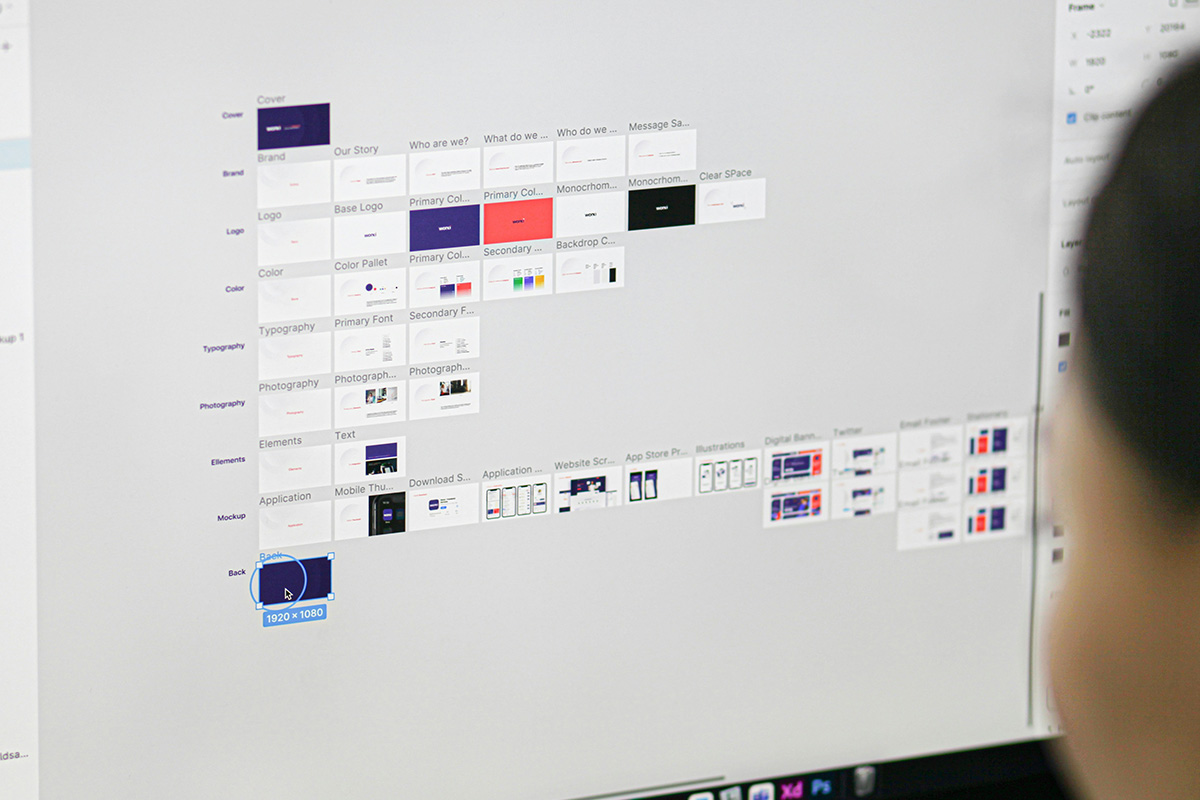
The most valuable UX skill isn’t Figma.
It’s communication.
Great UX Doesn’t Happen in Figma
Figma is an incredible tool. I use it every day.
But no matter how polished your designs are, they don’t create value until other people understand them.
A design has to be understood by:
- Product Managers deciding priorities.
- Engineers building the solution.
- Stakeholders investing time and resources.
- Researchers validating assumptions.
- Customers who ultimately use the product.
Every handoff, presentation, workshop, and design critique depends on communication.
Designers Don’t Just Solve Problems
They help define them.
Some of the biggest breakthroughs I’ve been part of didn’t happen because someone designed a better screen.
They happened because someone asked a better question.
Questions like:
- What problem are we really trying to solve?
- Who is struggling today?
- Why does this matter?
- What outcome are we hoping to change?
Those conversations often create more value than the wireframes themselves.
Communication Builds Trust
One lesson I’ve learned over the years is that people rarely push back on good design.
They push back on design they don’t understand.
When stakeholders understand the user problem, the research behind your decisions, and the tradeoffs you’ve considered, conversations become collaborative instead of confrontational.
Communication turns design reviews into problem-solving sessions instead of debates.
Communication Creates Better Products
Some of my favorite projects weren’t successful because everyone agreed from the start.
They were successful because designers, engineers, product managers, curriculum specialists, and leadership were willing to learn from one another.
The best ideas often came from conversations, not mockups.
The role of a UX designer isn’t simply to create interfaces.
It’s to create shared understanding.
Tools Will Continue to Change
Over the course of my career, I’ve watched our industry evolve through countless tools and trends.
- Photoshop gave way to Sketch.
- Sketch gave way to Figma.
- Today, AI is changing how quickly we explore ideas.
Five years from now, our tools will likely look different again.
But one thing won’t change.
Organizations will always need people who can bring clarity to complexity, facilitate difficult conversations, align cross-functional teams, and advocate for users in ways that inspire action.
That’s communication.
Final Thoughts
Learning Figma can make you a better designer.
Learning to communicate can make every design you create more impactful.
Because in the end, UX isn’t just about designing interfaces.
It’s about helping people solve problems together.
Recent Articles



Let’s Work Together
Tell me about your project, team, or opportunity.
I design experiences that turn complexity into clarity—and ideas into products people actually use. Whether you’re looking for help with a website, SaaS product, or UX strategy—or exploring a full-time role—I’d love to connect and see how I can help.
Feel free to reach out using the form below, or download my resume
I am open to:


